8 Things to Know Before Choosing a Kosher Phone
September 1, 2026test123123
September 3, 2026Best KosherCell Phones in 2026: Fig Phones, Qin F30, Tak S7, and More
If you want a phone that keeps things simple, you have more choices than the basic flip phone you may remember from years ago. Today, kosher-focused phones come in several designs, with different levels of calling, texting, contacts, and other everyday features.
That makes choosing one a little confusing. A phone that works well for one person may feel unnecessary or too limited for someone else.
This guide looks at some options worth considering, including koshercell, fig phones, the qin f30, and the tak s7. The goal is to help you understand what each type of phone offers before you decide which one fits your routine.
What Makes a KosherCell Phone Different?
A kosher phone is generally designed around a more limited mobile experience. Instead of giving you access to every app and online service, the phone may focus on basic communication.
For someone trying to spend less time on a smartphone, that can be the main attraction.
You might only need reliable calling and texting. You may not need social media, games, a web browser, or an app store. Removing those distractions can also make the phone easier to use.
The important thing is to check exactly what a particular model supports. “Kosher” can mean different things depending on the phone, carrier, and configuration.
Fig Phones
fig phones are worth looking at if you want a simple device without the usual smartphone experience.
The appeal is fairly straightforward. You get a phone designed around communication rather than a long list of apps.
Before buying one, think about how you normally use your phone. Do you mainly call family and friends? Do you send texts regularly? Do you need a physical keypad? Would you prefer a flip-style design?
Those questions can narrow down your choices quickly.
A simpler phone can also be easier for someone who does not want to learn a complicated interface. There are fewer menus to deal with, and the purpose of the device is much clearer.
Qin F30
The qin f30 is another option to consider when comparing basic and kosher-focused phones.
The Qin line has attracted attention because some models use a more modern design while keeping the overall experience simpler than a typical smartphone.
If you are considering the F30, check the exact configuration before purchasing. Features and network compatibility can matter depending on where you live and which carrier you plan to use.
This is especially important with phones sold for specific markets. A phone can look ideal on paper and still be a poor choice if it does not work properly with your network.
Think about the basics first. Can it make the calls you need? Does texting work the way you expect? Is the keypad comfortable? Does the battery fit your daily routine?
Tak S7
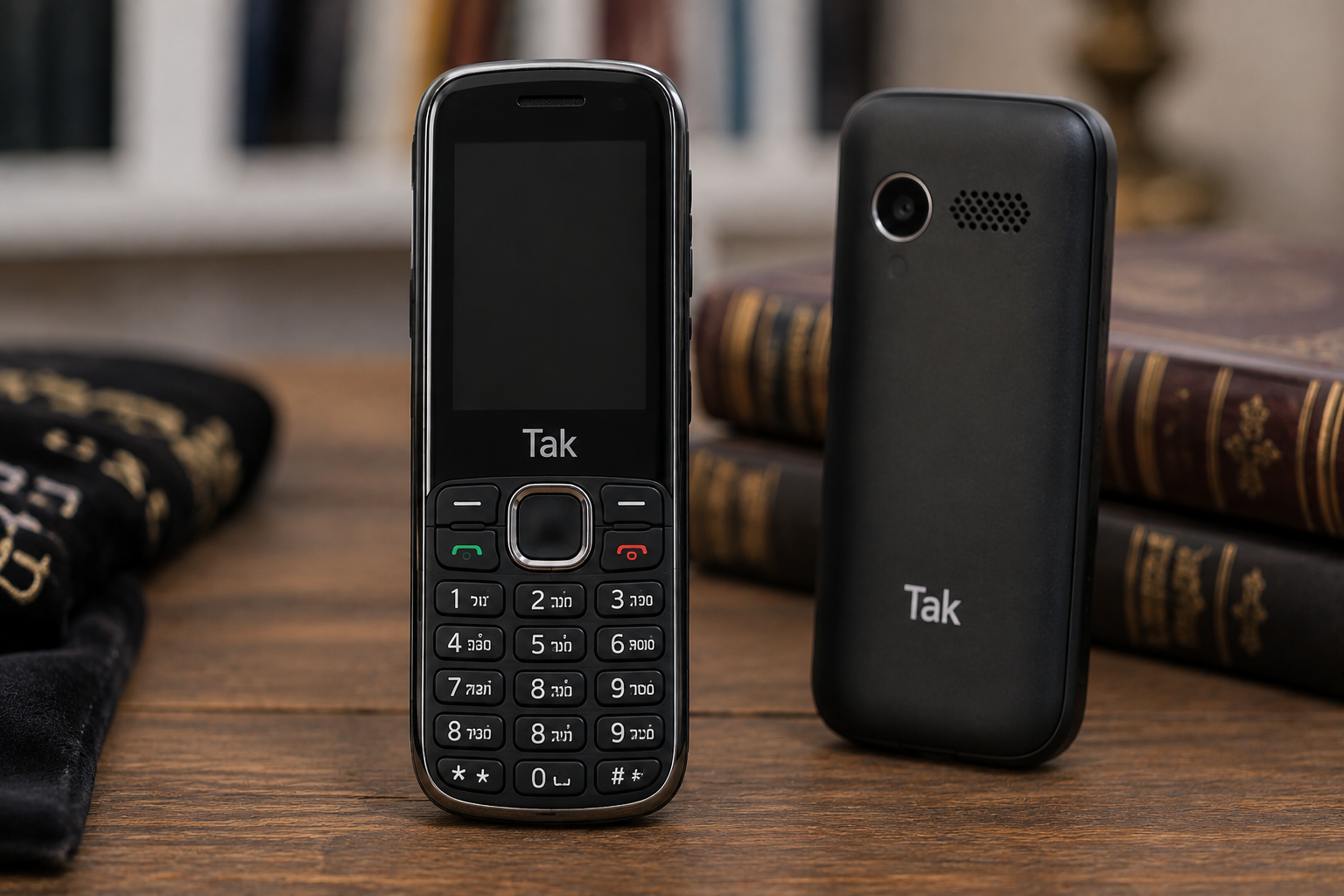
The tak s7 is another name that comes up when people look for phones with a simpler mobile experience.
A phone like this may appeal to someone who wants something more focused than a full smartphone.
Design can make a difference here. Some people prefer a traditional keypad because they can operate it without looking at a touchscreen. Others prefer a larger display or a more familiar smartphone-style layout.
Consider where you will use the phone too. If you need it primarily at home or work, your requirements may be different from someone who carries it everywhere and relies on it for frequent calls.
Check Network Compatibility Before Buying
This is one of the least exciting parts of choosing a phone, but it can save you from a frustrating purchase.
Before ordering any kosher phone, check whether it supports your carrier’s network. Look at the supported bands and network technology rather than assuming every unlocked phone will work everywhere.
Carrier requirements can change over time as older networks are retired and newer technologies become standard.
If you are buying a phone from a specialized store, ask the seller about compatibility with your specific carrier. Give them the exact carrier name and, if necessary, your country.
A few minutes of checking can prevent a phone from becoming an expensive paperweight.
Think About What You Actually Need
It is easy to get caught up comparing specifications.
Try doing the opposite.
Write down the things you actually need from your phone.
For example:
- Calling
- Text messaging
- Contacts
- Alarm
- Calculator
- Camera, if permitted and useful to you
Then separate those from features you simply think might be nice to have.
If you only need a phone for calls and occasional messages, buying a device with features you will never use does not make much sense.
A simpler phone can be a better fit when your priority is communication rather than entertainment.
Flip Phone or Traditional Phone?
The physical design matters more than people sometimes expect.
A flip phone can be convenient because the screen and keypad stay protected when the phone is closed. It can also be easy to carry in a pocket.
A traditional bar-style phone gives you quick access to the keypad and screen without opening anything.
Neither design is automatically better.
Think about how you hold your phone, how often you text, and whether you prefer physical buttons. If possible, try a similar phone in person before buying.
Button size can make a surprisingly big difference if you send a lot of messages.
Compare Battery Life and Everyday Usability
Battery capacity is useful, but advertised battery figures do not tell the whole story.
Your actual battery life depends on how often you make calls, how much you use the display, signal strength, and other factors.
Also consider charging. Is the charging port convenient? Can you easily find a replacement cable? Does the phone show the battery percentage clearly?
These are small details, but they become important when you use the phone every day.
A good basic phone should fit into your routine without requiring constant attention.
Consider the Person Who Will Use It
The best phone for a teenager may not be the best choice for an older family member.
Someone who has difficulty with small buttons may need a larger keypad. Someone who sends frequent texts may prefer a particular keyboard layout. Someone who mainly receives calls may care more about speaker volume and a clear display.
If you are buying the phone for another person, ask them what they actually find difficult about their current device.
Do not choose based solely on specifications. Everyday comfort matters.
Which KosherCell Phone Should You Choose?
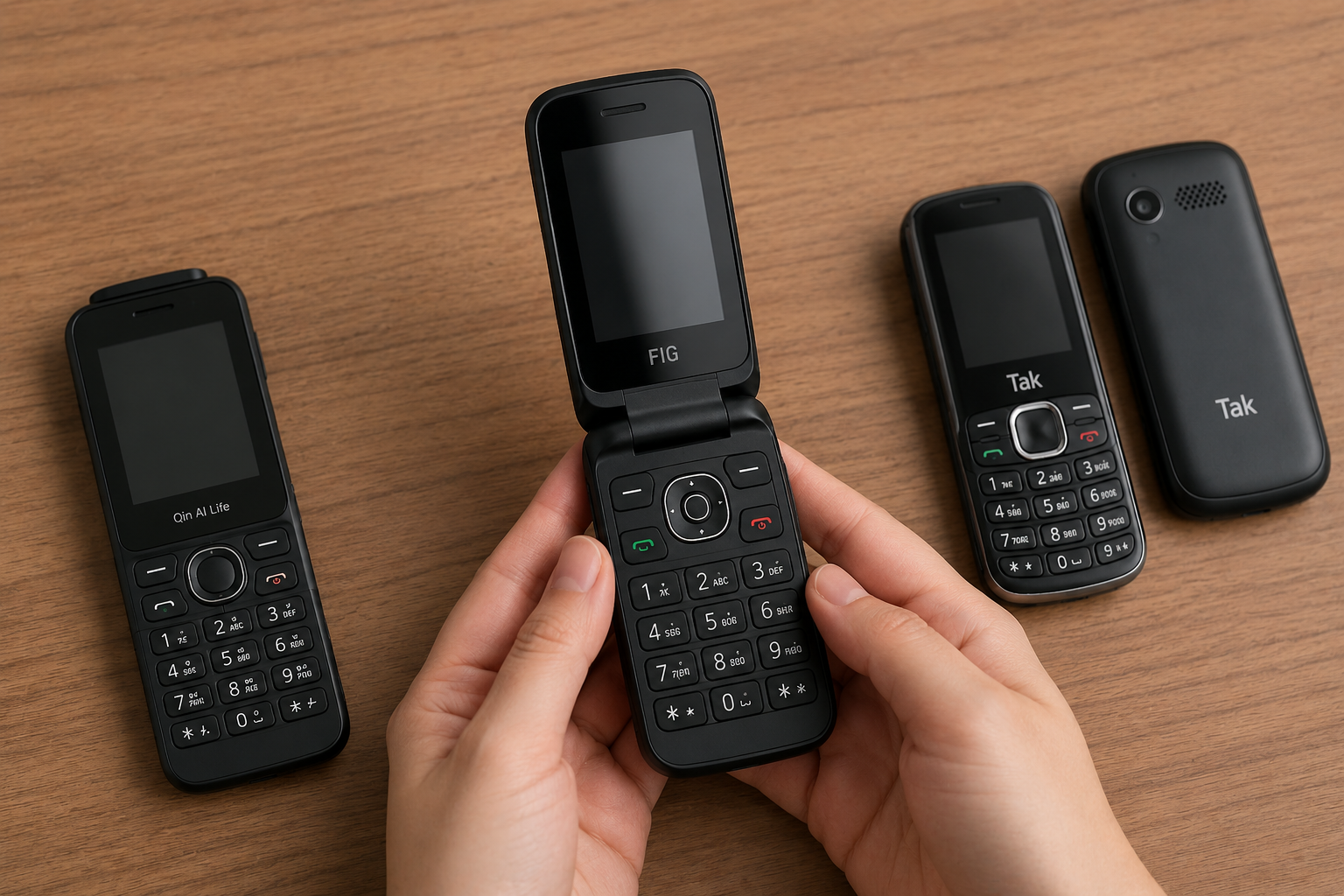
There is no single model that will suit everyone.
If you are comparing koshercell options, start with the features that matter most to your daily routine. Then compare specific models such as fig phones, the qin f30, and the tak s7.
Check network compatibility before ordering. Look at the physical design. Consider the keypad, display, battery, calling, and texting experience.
Most importantly, decide how much functionality you really want.
If your main goal is to have a phone for communication without the distractions that come with a modern smartphone, a simpler device may be exactly what you are looking for.
FAQs
What is a KosherCell phone?
It is generally a phone configured around a more limited set of communication features. The exact restrictions depend on the model and configuration.
Are Fig phones smartphones?
Some Fig models have different capabilities, so check the specific model and its configuration before purchasing.
Does the Qin F30 work with every carrier?
No phone should be assumed to work with every carrier. Check the device’s network compatibility before buying.
What is the Tak S7?
The Tak S7 is a phone designed for users looking for a simpler alternative to a typical smartphone. Check its current specifications and supported networks before purchasing.
Which kosher phone is best?
It depends on your needs. Compare calling, texting, keypad design, battery life, network compatibility, and the features you actually want to use.